

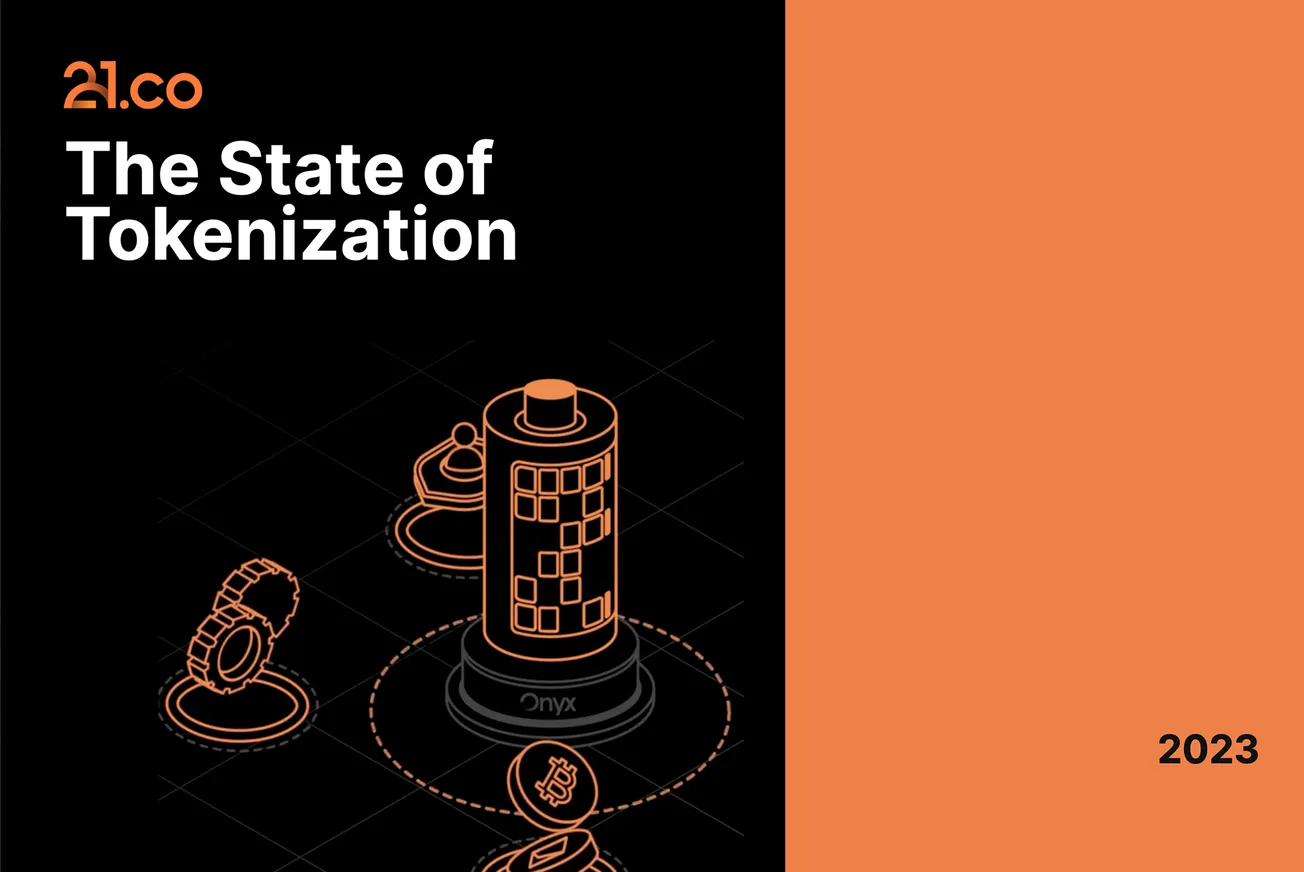
Tokenization Report
Date Released: 2023
The State of Tokenization examines how blockchains are becoming the backend infrastructure for global financial markets, enabling real-world assets to be issued, traded, and managed on-chain. The report shows that while tokenization has already reached product-market fit through stablecoins, broader adoption across assets like government bonds, private credit, real estate, and equities is accelerating rapidly.
Drawing on market data, on-chain analytics, and institutional research, the report estimates that tokenized assets currently represent over $118 billion in value and could grow into a $3.5–$10 trillion market by 2030. While public blockchains such as Ethereum dominate today, regulatory clarity, interoperability, and institutional participation will determine how tokenization scales across traditional finance in the years ahead.
Inside the report
- The current size of the tokenization market and why stablecoins dominate early adoption
- Which blockchains are leading tokenized asset issuance and why Ethereum remains the primary settlement layer
- How tokenization is expanding into treasuries, private credit, real estate, and funds
- Market sizing forecasts showing a multi-trillion-dollar opportunity by 2030
- The regulatory, legal, and infrastructure challenges that must be solved for mass adoption
Download the full report
Credit: 21.co
38 pages • Market data, charts, and institutional analysis




)